
Residential vs Commercial Plumbing: Key Differences Explained
A burst pipe at two in the morning doesn’t care whether you’re standing in your family room or your restaurant kitchen. The water is rising, the stress is climbing, and you need someone who knows exactly what they’re doing, right now. Before you pick up the phone, there is one question that shapes everything about the repair ahead: who is actually qualified for this job? Understanding the real differences between residential vs commercial plumbing helps you hire the right professional the first time, avoiding wasted money, code violations, and a repair that doesn’t hold up. For homeowners and business owners across Cook, DuPage, Kane, and Will counties, this guide breaks down what separates these two specialties so you can make a confident, informed call.
Table of Contents
- Why Understanding the Difference Matters for Your Property
- System Scale and Complexity: Size Matters
- Materials and Durability: What They’re Made Of
- Licensing, Codes, and Regulations: The Legal Side
- Work Schedules and Emergency Response: When You Need Help
- Cost and Pricing: What to Expect for Each Type of Job
- Which Type of Plumber Do You Need? A Simple Guide
- Common Questions About Residential vs Commercial Plumbing
- Get the Right Help for Your Home or Business in Cook, DuPage, Kane, and Will Counties
Why Understanding the Difference Matters for Your Property
The plumbing system in a single-family home shares almost nothing in common with the network running through a multi-story office building or a busy restaurant kitchen. They operate at different scales, under different demands, and follow different sets of rules. When a homeowner calls a plumber who only works on commercial jobs, that plumber may not carry the right fittings for residential copper lines on the truck. When a business owner hires a residential specialist to tackle a grease trap issue, the result can be a health code violation and a temporarily closed dining room.
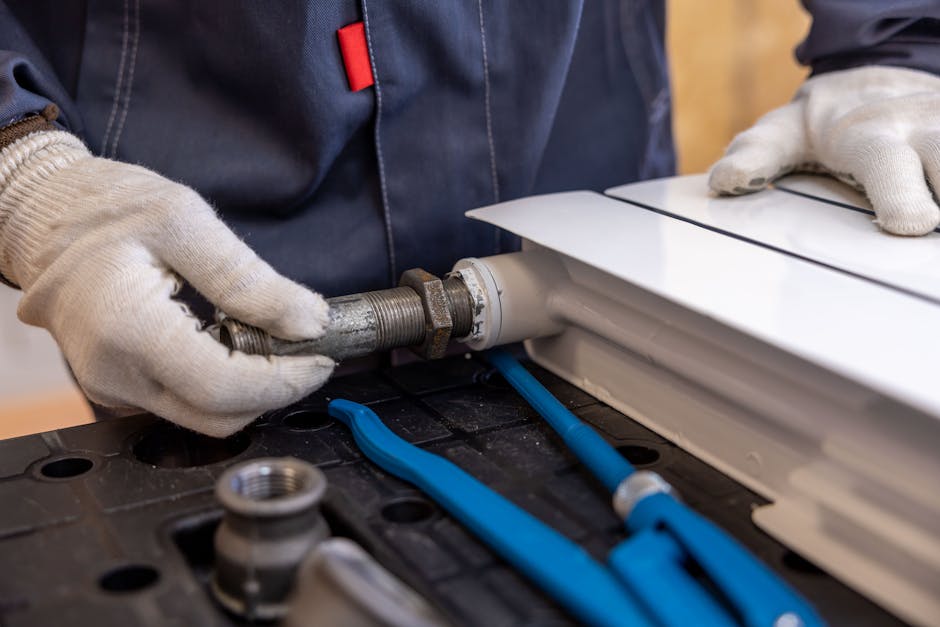
Knowing the distinction between residential vs commercial plumbing puts you in control of the conversation. You can ask whether the technician has experience with your type of property, whether they carry the necessary licenses, and whether their equipment matches the scope of the problem. This is not about becoming a plumbing expert yourself. It is about recognizing that the wrong hire can turn a straightforward fix into a prolonged, expensive headache. The sections ahead cover system scale, materials, codes, scheduling, and costs so you know exactly what to look for when you need help.
System Scale and Complexity: Size Matters
Residential Plumbing: Designed for Single-Family Use
A typical home system operates on a modest scale. Supply lines run half-inch to three-quarter-inch diameters, delivering water to a handful of fixtures: a couple of bathroom sinks, a kitchen faucet, a shower or two, and a few toilets. The water heater tucked in the basement or garage holds between 40 and 75 gallons, sized for the daily rhythm of a single family. Drainage and venting layouts are relatively straightforward, serving one to three bathrooms and a kitchen without the need for booster pumps or multi-floor risers. The system handles one shower running at a time, one dishwasher cycling, one load of laundry filling. It is built for predictable, intermittent use by a small number of people.

Commercial Plumbing: Built for High-Demand Environments
Walk into a commercial building and the plumbing demands multiply instantly. Pipe diameters jump to four inches or larger to accommodate dozens of users flushing toilets, washing hands, and running equipment simultaneously. Water heaters in commercial settings can reach 250 gallons, and they often work in banks to supply consistent hot water across multiple floors and hundreds of fixtures. These systems include components that most homeowners never encounter: grease interceptors in restaurant kitchens, backflow preventers protecting the public water supply, sump pumps managing groundwater in large basements, and vertical risers carrying water and waste through every level of a building. A commercial system must handle peak demand without pressure drops, slow drains, or temperature fluctuations. That requires a fundamentally different design philosophy from the very first pipe laid.
Materials and Durability: What They’re Made Of
Residential plumbing leans on materials suited for moderate, intermittent use. You will find PVC for drain lines, copper or PEX for supply lines, and fixtures built for a family of four. These materials hold up well under normal household conditions, where a toilet flushes a few dozen times a day and a kitchen sink runs during meal prep and cleanup.
Commercial plumbing demands heavier-duty components. Cast iron, galvanized steel, and CPVC appear frequently because they withstand constant use, higher water pressure, and the physical wear that comes with hundreds of people moving through a building every day. Fixtures in a public restroom are built to survive abuse that a residential faucet would never see. The difference in materials is not about one being better than the other. It is about matching the material to the job. A commercial-grade cast iron pipe in a single-family home is unnecessary overkill, but a residential-grade PVC drain line in a restaurant kitchen will fail quickly under the load of grease, food debris, and near-continuous use. Sewer lines in commercial settings often need regular camera inspection and hydro jetting to clear the buildup that simply does not accumulate in a home system at the same rate.
Licensing, Codes, and Regulations: The Legal Side
Residential Codes
Home plumbing work follows local municipal codes, including any amendments to the International Plumbing Code adopted by Cook County or DuPage County. Permits are typically required for major projects: water heater replacement, whole-house re-piping, or adding a bathroom. A licensed residential plumber knows these requirements and pulls the right paperwork so the inspection passes and the work is covered.
Commercial Codes
Commercial plumbing enters a different regulatory universe. The codes are stricter and the stakes are higher because public health and safety are involved. ADA compliance governs restroom accessibility. Fire safety codes dictate sprinkler system connections. Backflow prevention testing is mandatory to protect the municipal water supply from contamination. A commercial project may require sign-off from the local building department, the health department, and the fire marshal before the job is complete. More permits, more inspections, and more detailed documentation are simply part of the process. A plumber licensed for both residential and commercial work understands the full scope of local requirements in Kane and Will counties, which means fewer surprises when the inspector walks through the door.
Work Schedules and Emergency Response: When You Need Help
Most residential plumbing work happens during standard business hours. A faucet repair or a water heater installation gets scheduled between eight and five, and life moves on. But emergencies do not check the clock. A burst supply line at midnight or an overflowing toilet on a Sunday morning demands immediate attention. Homeowners need a plumber who offers 24/7 emergency plumbing services with a genuinely fast response time, not a voicemail box that fills up until Monday.

Commercial plumbing often flips the schedule entirely. Work gets done after hours, on weekends, and during holidays to avoid disrupting business operations. A restaurant cannot close for drain cleaning during the lunch rush. A retail store needs gas line work completed before the doors open in the morning. An office building cannot tell tenants to avoid the restrooms for an entire business day. The scheduling demands are different, but the urgency is the same. Whether it is a home in Naperville or a storefront in Aurora, you need a team that offers same-day service and understands that every hour of downtime costs you money and peace of mind.
Cost and Pricing: What to Expect for Each Type of Job
Residential plumbing pricing tends to follow familiar patterns. Many companies charge by the hour or offer flat rates for common repairs like faucet replacement, toilet repair, or drain cleaning. Material costs are generally lower because the components are smaller and more standardized. However, accessibility can complicate the price. A water heater tucked into a tight attic or a leak hidden in a crawlspace adds labor time that a straightforward basement installation avoids.
Commercial plumbing is typically quoted as a project-based bid. The scale and complexity make hourly estimates impractical. An industrial water heater installation, a full sewer repair for a multi-unit building, or a gas line installation for a commercial kitchen involves higher material costs, specialized equipment, and more labor hours. The hourly rate for a commercial plumber may run higher than a residential plumber, but the residential plumber may not own the camera inspection rig or hydro jetting unit needed to handle a commercial job efficiently. In both sectors, preventive maintenance plans save money over time by catching small issues, a corroding fitting, a slow drain, a failing backflow preventer, before they turn into emergency calls that shut down your home or business.
Which Type of Plumber Do You Need? A Simple Guide
Call a Residential Plumber When:
You have a leaky faucet, a clogged drain, or a running toilet at home. You need a water heater installation or repair for a standard single-family system. You want a preventive maintenance check-up to catch small issues before they become expensive problems. These are the everyday plumbing needs that a skilled residential technician handles quickly and affordably.
Call a Commercial Plumber When:
You own or manage a multi-unit building, office, restaurant, or retail space. You need sewer repair and camera inspection for a large or complex system. You require gas line installation or work on backflow preventers, grease traps, or industrial-grade water heaters. These jobs demand specialized equipment, commercial licensing, and experience with the codes that govern public and multi-tenant buildings.
The honest truth is that some companies handle both. The key question to ask when you call is whether the plumber has the specific equipment and licensing for your job’s scale. A company that works across residential and commercial plumbing, like Aurora Naperville Plumbers, can dispatch the right technician with the right tools whether you are calling about a kitchen sink in a Yorkville home or a sewer line in a Wheaton office building.
Common Questions About Residential vs Commercial Plumbing
Is residential or commercial plumbing harder?
This question sparks genuine debate among plumbers who have worked both sides. Commercial systems are physically larger, more technically complex, and governed by stricter codes. The pipes are heavier, the blueprints are thicker, and the coordination with other trades is constant. But residential work brings its own challenges. A service plumber squeezing into a cramped crawlspace to find a leak, while a worried homeowner watches from the hallway, deals with a different kind of pressure. Residential work demands strong people skills and the ability to explain complex repairs in plain language. Neither specialty is easier. They are simply different, and each requires a distinct set of skills that takes years to develop.
Can a commercial plumber do residential work?
Yes, a skilled commercial plumber has the technical knowledge to handle residential jobs. The materials and methods are familiar, and the scale is smaller. However, a commercial plumber may be overqualified for a simple faucet repair and may charge a higher hourly rate than a dedicated residential technician. On the flip side, a residential plumber typically lacks the licensing, the heavy-duty equipment, and the code knowledge required for a commercial project. The best approach is to ask upfront whether the plumber regularly handles your type of property.
What is the 135 rule in plumbing?
The 135 rule is a venting code requirement that limits the distance between a plumbing fixture’s trap and its vent. Specifically, the horizontal distance cannot exceed one and a half times the pipe diameter, measured in feet. For a two-inch drain pipe, the trap must be within three feet of the vent. This rule prevents the water seal in the trap from being siphoned away, which would allow sewer gas to enter the building. It applies to both residential and commercial plumbing and is one of those technical details that a knowledgeable plumber checks during any rough-in or remodel.

Get the Right Help for Your Home or Business in Cook, DuPage, Kane, and Will Counties
Understanding the difference between residential vs commercial plumbing saves you time, money, and the stress of a repair that does not hold up. The scale of the system, the materials involved, the codes that apply, and the schedule that works for your life or business all shape who should walk through your door. Whether you need a simple drain cleaning at home or a full sewer repair for your commercial property, you deserve a team with local expertise and the right equipment for the job. If you are dealing with a plumbing issue right now, call for a straightforward conversation about your specific needs. No pressure, just honest advice and prompt, reliable service from professionals who know the homes and businesses of this community inside and out.